
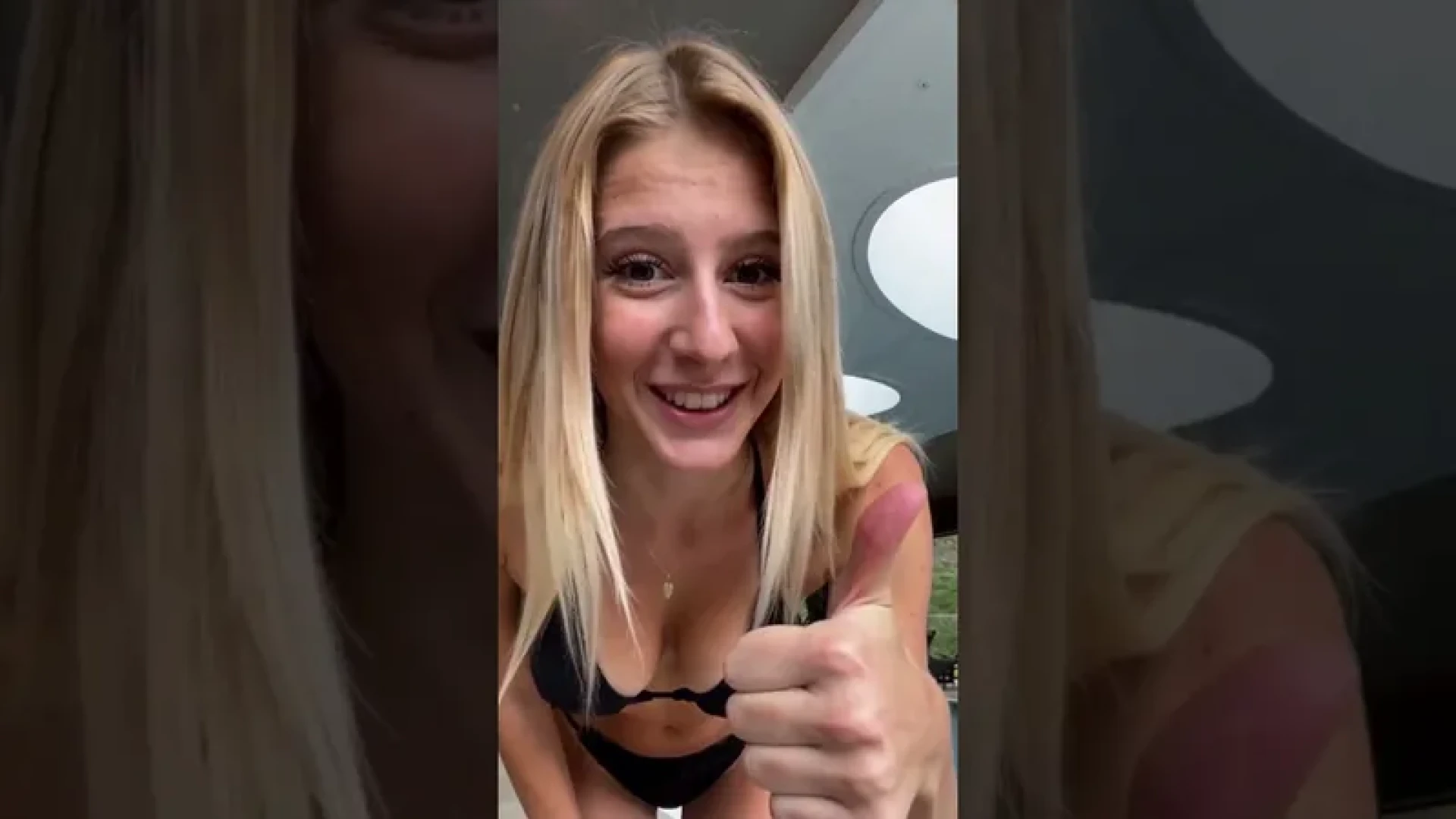
Mr_CadillacV8 - MiniMax H3 Character Reference Director — Consistent Characters
infoAbout This Title
MiniMax H3 Character Reference Director — Consistent Characters, Audio References, Start/End Frames & More
After several weeks of testing, rebuilding and refining my MiniMax H3 workflow, I’m finally releasing the first public version of my H3 Character Reference Director Workflow.
The goal was simple:
Make H3 easier to control and significantly improve character consistency across video generations.
Instead of manually wiring and describing every reference again and again, the Character Reference Director manages the references, roles and prompts for you.
It supports character reference images for:
Face identity and different face angles
Facial expressions
Full body proportions
Clothing
Hairstyle
Relative height and body scale
Exact environments and locations
Multi-shot character references
The workflow also supports:
Multiple characters
Character presets / saved character projects
Audio references for voice timbre
Exact dialogue control
Two-person dialogue
Off-screen / POV speakers
Video motion references
Start frame
Optional end frame
Reference-based environments
Target scene presets
Community LoRAs
Spectrum acceleration
ComfyUI Kitchen Attention
Turbo LoRA support
Generated final-frame preview and saving
One of the biggest improvements during development was reference prompting.
H3 often treats weak image descriptions as inspiration and creates a similar character instead of the exact person. The Director now uses stronger reference-role prompts designed to tell H3 exactly what information each image should preserve.
For example, body references can explicitly preserve:
body proportions, height impression, chest proportions, waist, hips, glute proportions, silhouette and relative scale.
The same principle is used for faces, clothing, hairstyles and environments.
I have also spent a lot of time improving dialogue handling. H3 has a tendency to improvise, repeat lines or continue speaking after the written dialogue ends. The included dialogue presets are designed to reduce this behaviour and clearly separate:
voice reference → speaker → exact dialogue → scene audio.
Performance
The supplied workflows also support ComfyUI Kitchen Attention.
On my RTX 3090, switching from standard PyTorch Attention to ComfyUI Kitchen Attention reduced one 5-second test from approximately:
577 seconds → 350 seconds
with no visible reduction in character quality in my tests.
A 10-second generation that previously took close to 12 minutes completed in approximately 8½ minutes.
Two workflows are included
Reference-to-Video WorkflowBest when the character references define the generated shot.
Start / End Frame + Character References WorkflowCombines first-frame / optional last-frame control with the Character Reference Director.
This second workflow has become one of my favourite ways to work with H3 because the start frame can define the scene while the character references preserve identity separately.
Who is this for?
This workflow is aimed at people who already use MiniMax H3 in ComfyUI and want:
better character consistency
faster reference setup
reusable characters
more structured prompting
stronger control over dialogue and audio references
easier multi-character workflows
less repetitive manual work
This is not a magical “one-click perfect video” system. H3 still has its own limitations, and difficult scenes can still require experimentation.
But compared with using H3 references manually, this has made my own workflow much faster, cleaner and more predictable.
The full workflow package, Character Reference Director custom node and setup instructions are available for paid Patreon members.
Join the membership to download the complete release.
MiniMax H3 Character Reference Director — Consistent Characters, Audio References, Start/End Frames & More
After several weeks of testing, rebuilding and refining my MiniMax H3 workflow, I’m finally releasing the first public version of my H3 Character Reference Director Workflow.
The goal was simple:
Make H3 easier to control and significantly improve character consistency across video generations.
Instead of manually wiring and describing every reference again and again, the Character Reference Director manages the references, roles and prompts for you.
It supports character reference images for:
Face identity and different face angles
Facial expressions
Full body proportions
Clothing
Hairstyle
Relative height and body scale
Exact environments and locations
Multi-shot character references
The workflow also supports:
Multiple characters
Character presets / saved character projects
Audio references for voice timbre
Exact dialogue control
Two-person dialogue
Off-screen / POV speakers
Video motion references
Start frame
Optional end frame
Reference-based environments
Target scene presets
Community LoRAs
Spectrum acceleration
ComfyUI Kitchen Attention
Turbo LoRA support
Generated final-frame preview and saving
One of the biggest improvements during development was reference prompting.
H3 often treats weak image descriptions as inspiration and creates a similar character instead of the exact person. The Director now uses stronger reference-role prompts designed to tell H3 exactly what information each image should preserve.
For example, body references can explicitly preserve:
body proportions, height impression, chest proportions, waist, hips, glute proportions, silhouette and relative scale.
The same principle is used for faces, clothing, hairstyles and environments.
I have also spent a lot of time improving dialogue handling. H3 has a tendency to improvise, repeat lines or continue speaking after the written dialogue ends. The included dialogue presets are designed to reduce this behaviour and clearly separate:
voice reference → speaker → exact dialogue → scene audio.
Performance
The supplied workflows also support ComfyUI Kitchen Attention.
On my RTX 3090, switching from standard PyTorch Attention to ComfyUI Kitchen Attention reduced one 5-second test from approximately:
577 seconds → 350 seconds
with no visible reduction in character quality in my tests.
A 10-second generation that previously took close to 12 minutes completed in approximately 8½ minutes.
Two workflows are included
Reference-to-Video WorkflowBest when the character references define the generated shot.
Start / End Frame + Character References WorkflowCombines first-frame / optional last-frame control with the Character Reference Director.
This second workflow has become one of my favourite ways to work with H3 because the start frame can define the scene while the character references preserve identity separately.
Who is this for?
This workflow is aimed at people who already use MiniMax H3 in ComfyUI and want:
better character consistency
faster reference setup
reusable characters
more structured prompting
stronger control over dialogue and audio references
easier multi-character workflows
less repetitive manual work
This is not a magical “one-click perfect video” system. H3 still has its own limitations, and difficult scenes can still require experimentation.
But compared with using H3 references manually, this has made my own workflow much faster, cleaner and more predictable.
The full workflow package, Character Reference Director custom node and setup instructions are available for paid Patreon members.
Join the membership to download the complete release.
groupArtist
 Mr_CadillacV8verified
photo_library2 albums
visibility4.9K views
View Profile arrow_forward
Mr_CadillacV8verified
photo_library2 albums
visibility4.9K views
View Profile arrow_forward
Comments (0)