
Page 1 failed to load.
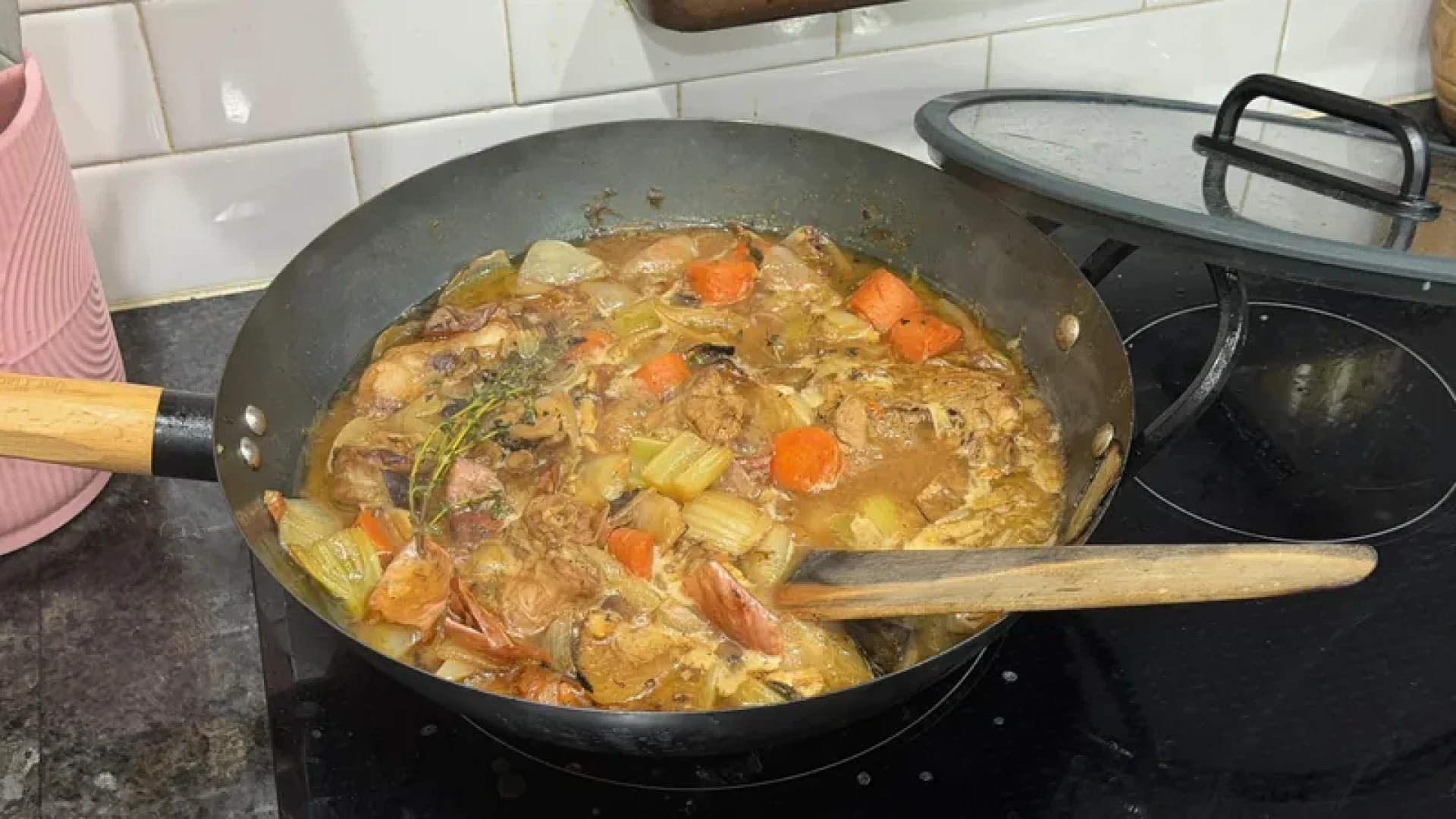
James Kenji Lopez-Alt - Easy Chicken or Turkey Gravy
 More from James Kenji Lopez-Alt
James Kenji Lopez-Alt - Cooking on the River: Episode 3
About This Title
So you’ve learned all about the joys spatchcocking and mayo-slathering, and you’ve got yourself a great roast chicken or roast turkey. Now what?
Well if things went right, your bird likely needs some time to rest before you carve it, and whatever vessel you roasted it in will be full of browned drippings called fond—the flavor-packed stuff that forms as the birds’ juices drip down into the pan, evaporate, and leave behind proteins and fat that brow and intensify in flavor as the bird roasts.
All you need to make an excellent gravy is to deglaze those drippings (that’s a fancy word for “pour a liquid onto it, heat it up, and scrape”), skim off the fat, cook some flour in the fat, then pour the fortified stock into that fat-and-flour roux, finally letting it reduce down to whatever flavor and texture intensity you desire.
Good drippings and good stock are enough for a great gravy, but if you want to bump up the flavor, a splash of soy sauce or fish sauce or a sprinkle of MSG will up the umami and make the gravy that much meatier.
If you want to take it even further, you can start while the bird is in the oven: brown the neck, giblets, wish bone, and trimmings in a wok or deep saucepan in a bit of oil along with roughly chopped onion, carrot, and celery. Let everything brown deeply before adding in some low-sodium stock and a few herbs (thyme, sage, parsley, rosemary, and bay leaves are all great for this), then simmer away until the bird is done.
Strain off the stock and use it to deglaze the pan drippings and you’ve got the start of a gravy that will be tough to beat.
Recipe: Roast Chicken or Turkey GravyEvery recipe I publish here is personally tested, tasted, and approved.
What I love about this recipe:It puts the browned bits and juices from your roasting pan to work.
You can finish it while your chicken or turkey rests.
It works with homemade or store-bought stock, with an optional upgrade for extra flavor.
Yield: About 3 cups, serving 8 to 12; recipe can be halved
Active Time: 20 minutes
Total Time: About 30 minutes, or about 1 hour 30 minutes with the optional stock upgrade
Notes:
Use unsalted or low-sodium stock, particularly if your bird was salted or brined. If the drippings taste very salty, use only a portion and make up the remaining liquid with stock or water.
Reserve any liver for another use; its flavor can overwhelm the gravy.
Only heat a roasting pan directly on the stove if it is suitable for stovetop use. For other pans, add hot stock off heat and scrape gently to dissolve the browned bits.
Umami-rich sauces and condiments such as Marmite, Vegemite, Bragg’s Liquid Aminos, Worcestershire sauce, or fish sauce can be added in small amounts during final seasoning to boost umami.
IngredientsFor the Optional Stock Upgrade:
1 tablespoon (15 ml) vegetable oil
Reserved chicken or turkey neck, gizzard, heart, wing tips, or other trimmings, as available
1 medium onion, roughly chopped
1 small carrot, roughly chopped
1 rib celery, roughly chopped
6 cups (1400 ml) chicken or turkey stock
A few sprigs fresh thyme or parsley
1 bay leaf
For the Gravy:
Pan drippings and browned bits from 1 roast chicken or turkey
About 4 cups (1 liter) homemade or low-sodium chicken or turkey stock, plus more as needed
3 tablespoons rendered chicken or turkey fat, unsalted butter (45 g), or a combination
¼ cup (35 g) all-purpose flour
1 teaspoon (5 ml) soy sauce, plus more to taste
Kosher salt and freshly ground black pepper
MethodFor the Optional Stock Upgrade: While the bird roasts, heat the oil in a saucepan over medium-high heat until shimmering. Add the reserved poultry parts and vegetables and cook, turning and stirring occasionally, until well browned, 10 to 15 minutes. Add the 6 cups stock, herbs, and bay leaf. Bring to a boil, reduce to a gentle simmer, and cook until the bird is roasted. Strain, discard the solids, and reserve the stock.
Separate the drippings. Transfer the roasted bird to a cutting board to rest. Pour the pan drippings into a fat separator or measuring cup. Let the fat rise to the top, then separate it from the juices, reserving both.
Deglaze the pan. Set the roasting pan over medium heat and add about 1 cup of the stock. Bring to a simmer, scraping up the browned bits with a wooden spoon. Strain into a large measuring cup. Add the reserved defatted juices, then enough stock to make 4 cups (1 liter) total.
Make the roux. Heat 3 tablespoons reserved poultry fat, butter, or a combination in a medium saucepan over medium heat. Add the flour and cook, whisking constantly, until pale golden, about 3 minutes.
Add the liquid. Add the stock all at once and whisk until no lumps remain. Stir in the soy sauce and any other umami boosters (see notes), if using.
Simmer and season. Bring to a boil, reduce to a simmer, and cook, stirring occasionally, until the gravy lightly coats the back of a spoon and has reduced to about 3 cups, 10 to 20 minutes. Stir in any additional juices released by the resting bird. Adjust the consistency with stock or water as needed, then season to taste with salt, plenty of black pepper, and a little more soy sauce if desired. Serve hot.
Make-Ahead Option:You can prepare the gravy base before roasting the bird, using butter and stock in place of poultry fat and drippings. At serving time, deglaze the roasting pan with a little stock and whisk that liquid and the defatted roasting juices into the gravy. Simmer to your desired consistency and adjust the seasoning just before serving.

Comments (0)